Home Products
Email:
mingyang@zgmingyang.comWhatsapp:
+86 15237111171Address:
Nanhuan Road,Gongyi City,Zhengzhou,HenanProvince China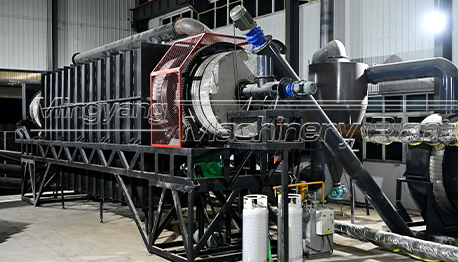
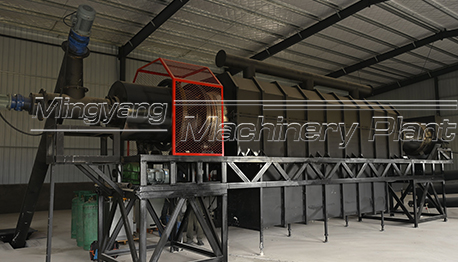
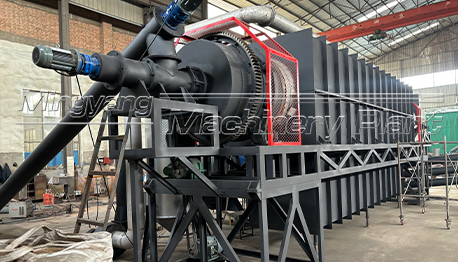
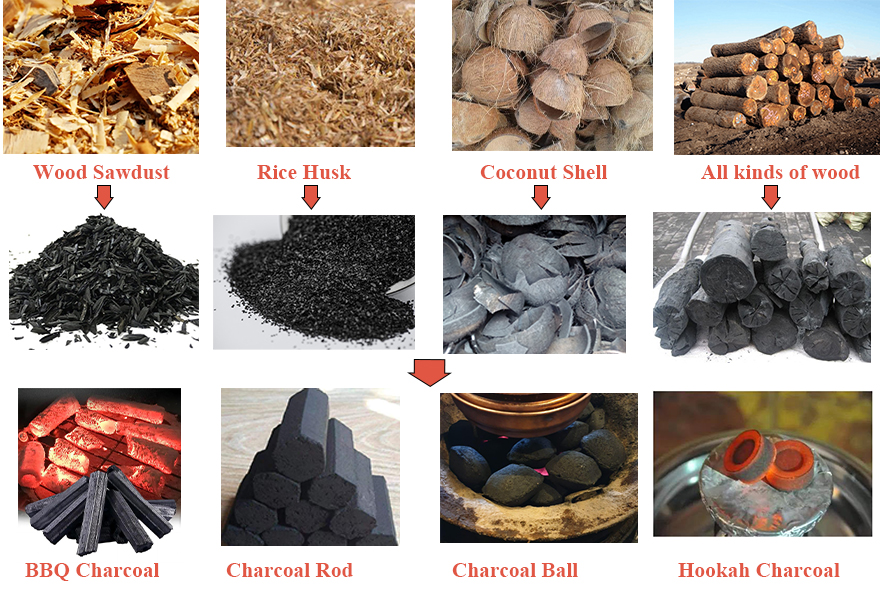
This continuous carbonization furnace is suitable for all types of biomass, such as rice husks, sawdust, coconut shells, bamboo, nut shells, straw, palm fiber, olive pomace, etc. Raw material size should be within 30mm and moisture content within 15%.
Working principle
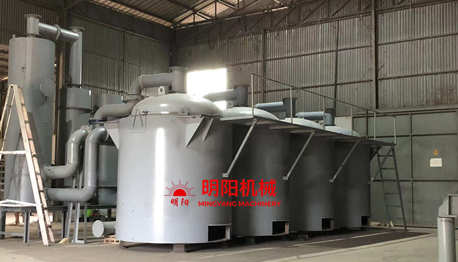
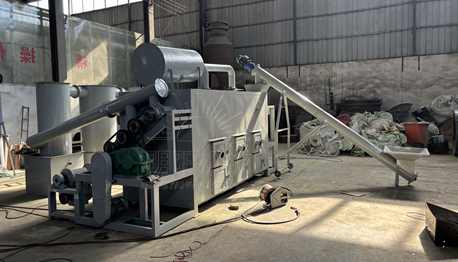
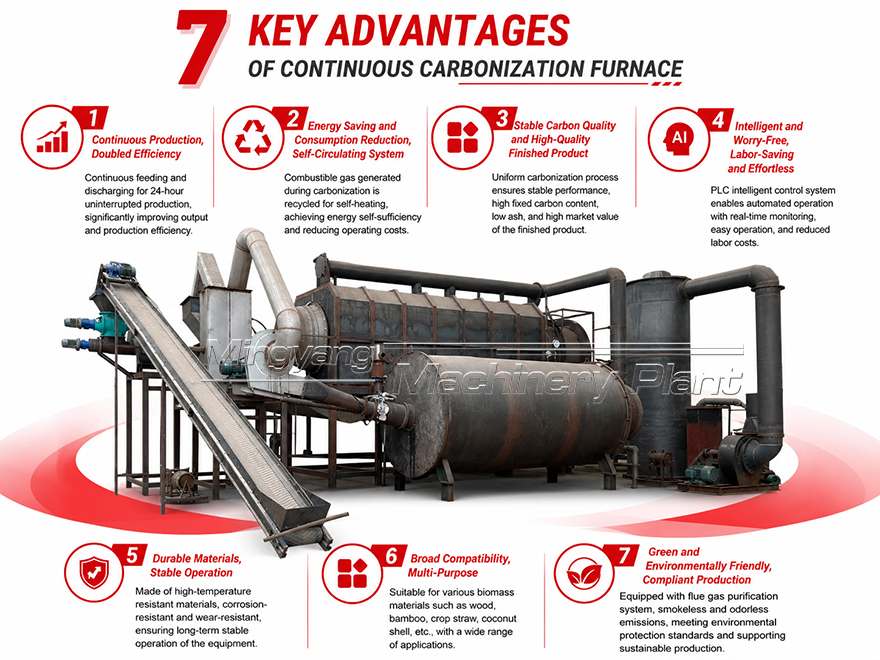
This carbonization furnace adopts indirect heating high-temperature dry distillation carbonization technology with a large rotary drum structure, enabling 24/7 continuous automatic feeding and discharging. An innovative flue gas recycling system captures the combustible syngas generated during carbonization, which is then dedusted, purified, and reused as heating fuel for the furnace eliminating bulky traditional water purification pipelines that occupy large factory space. Raw materials go through drying and high-temperature anaerobic carbonization inside the drum, and the finished biochar is discharged via a cooling conveyor, ready for further processing in activated carbon factories or premium biochar production.
How It Works :Continuous Feeding: Biomass is continuously fed into the rotary drum, where it is preheated and dried using residual heat.
Oxygen-Free Pyrolysis: As the drum rotates, the biomass is heated to extreme temperatures(usually between 300-900degree ) in an oxygen-depleted environment.
Gas Recycling: The process naturally produces combustible gases (e.g., carbon monoxide, methane). These are recycled, purified, and circulated back to fire the furnace, making the system self-sustaining and energy-efficient.
Cooling and Discharge: The carbonized material passes through a water-cooled discharge system, allowing for non-stop operation without needing to shut down for unloading
Applicable Raw Materials & Specifications
Available feedstock
Suitable for various types of agricultural and forestry waste biomass: wood chips, sawdust, rice husk, peanut shell, all types of nut shells, crop stalks, forest residues, biomass pellets, sugarcane bagasse, corn cob, coconut shell, coffee grounds, and other organic waste. In addition, waste medicinal residues and sludge from pharmaceutical factories can also be processed for biochar production to achieve waste recycling.
Particle size
Recommended ≤ 30mm. Oversized materials like thick branches require pre-crushing before carbonization.
Moisture content
Control below 12% (optimal), up to 15% acceptable. Materials with moisture above 20% need pre-drying with matched dryer equipment to ensure high carbonization efficiency and output quality.
Application
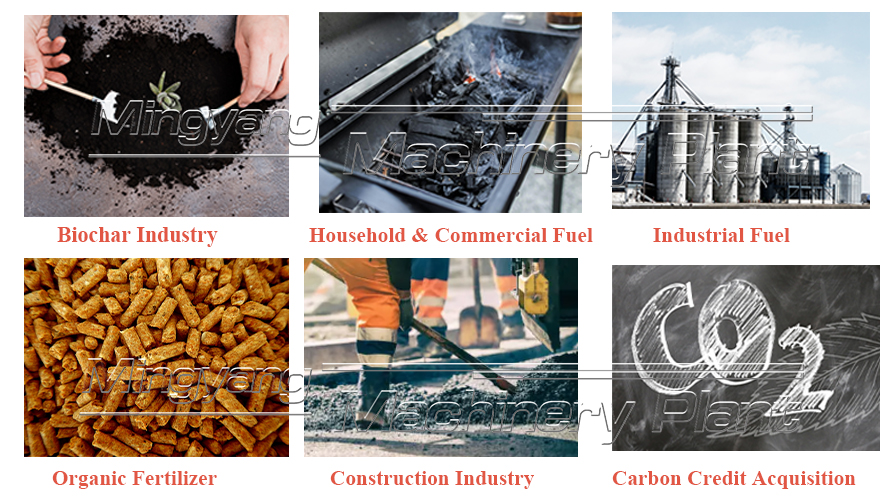
Continuous carbonization furnaces can efficiently convert agricultural and forestry waste into charcoal/biochar. Through carbonization, agricultural residues that were originally difficult to dispose of are transformed into high-value-added charcoal and biochar products that can be used for soil improvement, fertilizer carriers, or fuel.
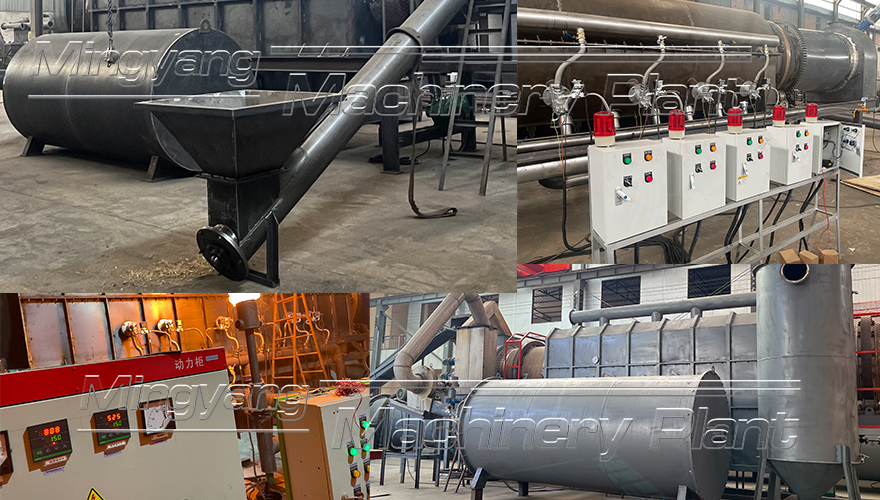
| Model | Reactor Size (m) | Heating Materials | Dimensions (m) | Power (kw) | Weight (t) | Capacity |
| THL1000 | 1*1.05 | LPG preheating+ wood gas | 12* 8* 5 | 31.25 | 8 | rice husk :600-800kg/h coconutshell :800-1t/h Sawdust :800kg/h |
| THL1200 | 1.2* 1.05 | 9.7 | rice husk :800-1000kg/h coconut shell :1-1.2t/h Sawdust :1t/h |
|||
If you have any questions, you can contact us by email